

From winter blues to winter wellbeing: why now is the time to step outside
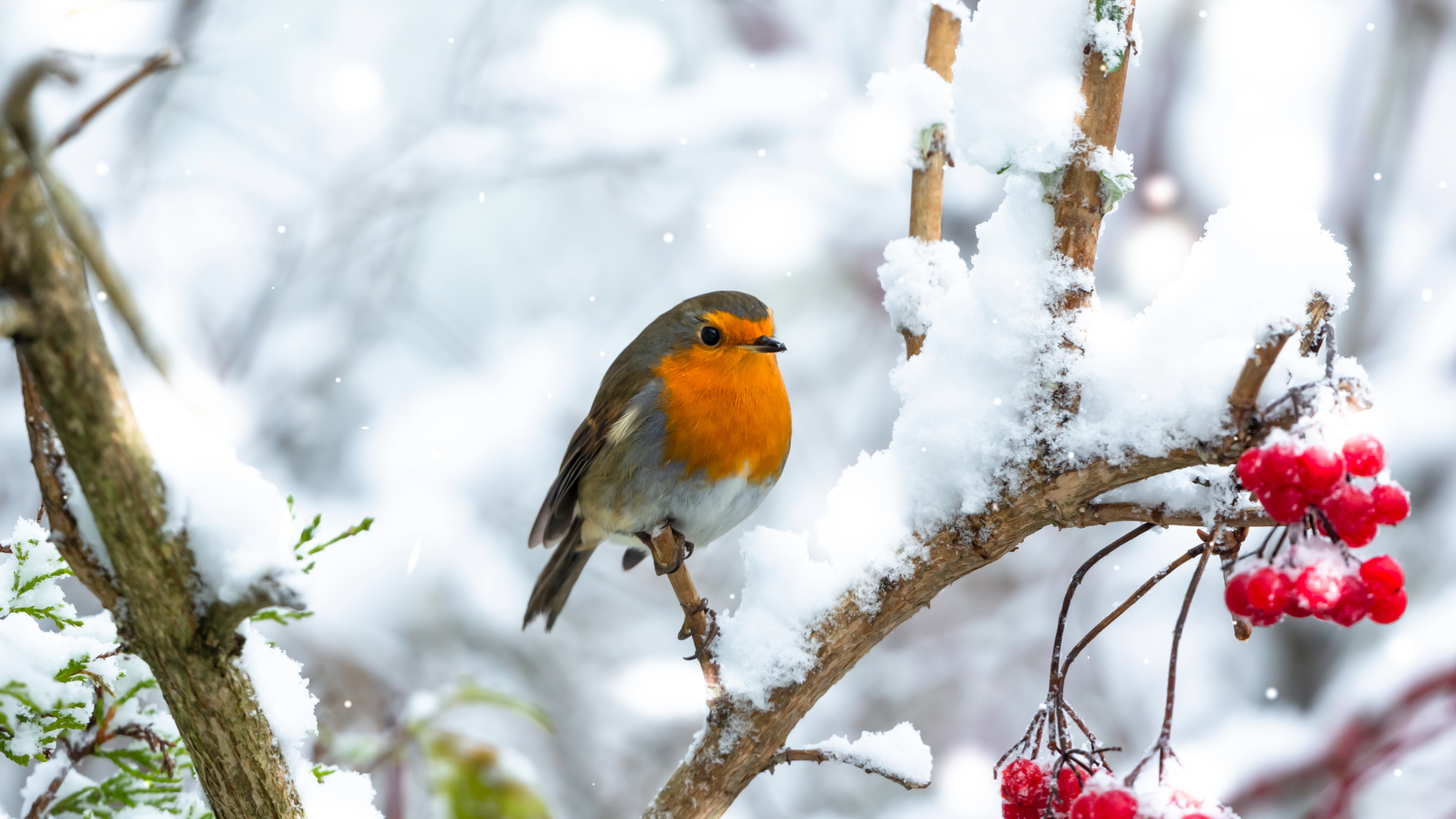
January has a reputation problem. Cold days, long dark nights, and, after the rush of the festive season, worries about finances, work and wellbeing. Anyone could be forgiven for feeling low in mood, motivation or energy.
It’s little wonder that the idea of Blue Monday has taken root. A marketing concept designed to sell holidays and products that keep us inside. It frames January and winter as something to endure rather than embrace. But this gives winter a reputation it does not deserve and misses what nature can offer this time of year.
Winter is a time for slowing down. Like nature, we too need moments to rest, recharge and restore ahead of lighter, warmer months. Yet slowing down does not mean hibernating. Winter, like every season, has its own unique qualities that can support our wellbeing. Getting outside and noticing nature is part of that.
Some of the most meaningful connections with nature in winter are the simplest. A woodland walk, a moorland meander or a seaside stroll can all be restorative.
The rustle of rusty-coloured leaves underfoot, the exposure to shapes, patterns and textures of bare trees.
The rhythm of the waves, the sea air, and the tactile textures of pools and rocks can clear the head and lift mood.
Stargazing on clear nights can spark awe and wonder.
These experiences help lower stress and cortisol levels, calm the nervous system, reduce blood pressure, improve focus, and encourage gentle movement that benefits the heart, muscles and joints.
You don’t need to travel far either. Ten minutes in a nearby park or backyard can make a difference: stepping outside to feel daylight on your face and noticing that the days are slowly lengthening again, listening to birdsong, or observing your breath in the cold air. Small acts are just as effective for improving mood, reducing stress, and getting us moving.
It is why nature-based health is gaining traction. Instagram and TikTok are flooded with ways to engage with nature, nature documentaries remain among the most watched, and the Princess of Wales frequently promotes the benefits of the outdoors.
We are particularly lucky in North Yorkshire. From our national parks and landscapes, our two international dark sky reserves, to the coastline, and the tapestry of green and blue spaces in between. Nature is never far away. Yet people can face barriers, especially those already experiencing isolation, poor health or low confidence.
That is why my charity, the North York Moors Trust, has placed connecting people with nature at the heart of our mission. Nature is intrinsic to us as humans. We are hardwired to respond positively to it, and it plays an important and evidenced role in prevention, recovery and early intervention for both physical and mental health.
That’s why we have created the Natural Health Service for North Yorkshire. Delivered in partnership with the North York Moors and Yorkshire Dales National Park Authorities, the Howardian Hills and Nidderdale National Landscapes, and York St John University.
The programme harnesses nature, our protected landscapes and our dark skies to help people live healthier, more active and connected lives. Funded by the York & North Yorkshire Combined Authority and the UK Government’s Shared Prosperity Fund, the programme forms part of Mayor David Skaith’s ambition for healthy, thriving communities.
Across our rural, urban and coastal communities, participants this winter will take part in 10 weeks of hands-on nature activities: from walks and habitat management to photography and art. The sessions are designed to build confidence, connection and wellbeing, using proven evidence-based approaches. By helping people engage with nature in practical ways, we hope to ease stress, improve mood, enhance engagement with services, and encourage positive habits.
The winter months can be hard. But rather than retreating indoors, we can reclaim winter as a season for wellbeing — a time to step outside and connect with nature. From small moments close to home to time spent in our protected landscapes, being outdoors helps us rest, recharge and restore for the year ahead.
Coverage:
Winter has a reputation that it does not deserve, nature in Yorkshire can still be restorative - Yorkshire Post - 20/01/2026